Production resumes with diesel, kerosene at Warri Refinery

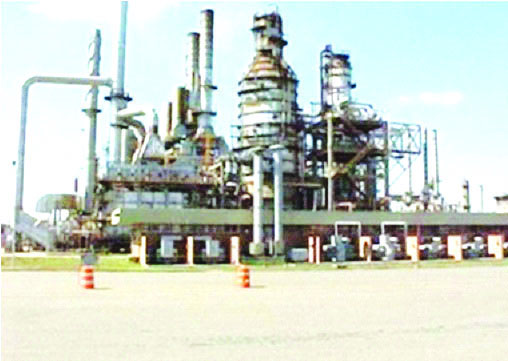
In a significant development for Nigeria’s energy sector, the Warri Refinery has resumed production, now focusing on the refining of diesel and kerosene. This marks a major milestone in the country’s efforts to restore its domestic refining capacity and reduce its reliance on imported petroleum products. The resumption of production at the Warri Refinery, located in Delta State, follows months of extensive rehabilitation and modernization efforts by the Nigerian National Petroleum Corporation Limited (NNPCL), which has overseen the refinery’s restoration.
The Importance of the Warri Refinery
The Warri Refinery has been a key part of Nigeria’s oil infrastructure for several decades. However, the refinery had been plagued by various challenges, including outdated equipment, poor maintenance, and operational inefficiencies, which led to its shutdown for several years. Before its closure, the refinery was one of Nigeria’s major domestic sources of refined products, including gasoline, diesel, and kerosene. However, its inability to meet the country’s growing demand for refined petroleum products forced Nigeria to rely heavily on imports, placing significant pressure on the country’s foreign exchange reserves.
With the reopening of the refinery, there is a renewed sense of hope that Nigeria can regain control over its refining capacity and reduce the burden of importing petroleum products. The Warri Refinery’s decision to focus initially on diesel and kerosene production is a strategic move to meet domestic demand for these key products, which are essential for transportation and power generation.
Resumption of Production: Diesel and Kerosene
The focus on diesel and kerosene production is particularly important for Nigeria, as both of these fuels are critical to the country’s daily functioning. Diesel is widely used in transportation, powering trucks, buses, and heavy-duty vehicles, while kerosene is essential for cooking and heating in many households. Both products are in high demand across the country, and the availability of locally refined versions will help reduce the pressure on Nigeria’s foreign reserves, which have been strained by the importation of refined fuels.
The resumption of production at the Warri Refinery is expected to ease the country’s fuel supply challenges. Before the closure of domestic refineries, Nigeria had been forced to import over 80% of its refined petroleum products, with a large portion of this coming from abroad at significant costs. By restarting production at Warri, the country is expected to reduce its dependence on imports, improve the stability of its energy supply, and help stabilize fuel prices across the country.
President Tinubu’s Reaction
President Bola Tinubu welcomed the resumption of production at the Warri Refinery, hailing it as a critical step toward achieving energy independence for Nigeria. In a statement, he commended the efforts of the Nigerian National Petroleum Corporation Limited (NNPCL) and other stakeholders who were involved in the rehabilitation and modernization of the refinery. He noted that the resumption of production would have significant positive impacts on Nigeria’s economy and its energy security.
“The Warri Refinery has been an important part of our energy infrastructure for years, and today’s resumption of production represents a major victory for Nigeria. It is a clear indication that with the right leadership and vision, we can overcome the challenges that have plagued our oil sector,” President Tinubu said.
He further emphasized that the country’s future energy strategy would focus on increasing domestic refining capacity, ensuring that Nigeria no longer remains dependent on the importation of refined petroleum products. The Warri Refinery’s reopening is part of a broader effort to revitalize Nigeria’s entire refinery network, including the refineries in Port Harcourt and Kaduna.
Economic Impact and Job Creation
The resumption of production at the Warri Refinery is expected to have a positive economic impact, particularly in terms of job creation and the stimulation of local businesses. The refinery’s operations will require a skilled workforce, which will create direct and indirect employment opportunities for Nigerians. In addition, ancillary industries, such as those involved in the supply of raw materials and logistics, will benefit from the increased refinery activity.
Furthermore, with the increased local production of diesel and kerosene, the price volatility associated with imported products is expected to stabilize. The availability of domestically produced refined fuels could also help ease the burden on Nigeria’s foreign exchange reserves, which have been impacted by the importation of large quantities of refined petroleum products.
In the long term, the Warri Refinery’s operations could help generate additional revenue for the government, which could be reinvested into other sectors of the economy, including infrastructure development and social services.
Challenges Ahead
Despite the positive developments, there are still challenges ahead for the Warri Refinery and Nigeria’s overall refining sector. The country’s refineries have long struggled with underinvestment, mismanagement, and lack of regular maintenance, which have impacted their ability to operate at full capacity. While the resumption of production is a positive step, it will require ongoing investment to ensure that the refinery continues to function efficiently and meets the growing demand for refined products.
Additionally, Nigeria will need to address the issue of fuel theft and pipeline vandalism, which have been persistent challenges for the oil and gas sector. These illegal activities can disrupt supply chains and pose a threat to the stability of refinery operations. The government and NNPCL will need to implement robust security measures to protect the refinery’s infrastructure from sabotage and theft.
The NNPCL has committed to a comprehensive plan for the continued improvement of the refinery, with a focus on modernizing the infrastructure, improving operational efficiency, and boosting refining capacity. This will require continued collaboration with international partners and significant investments in technology and human capital.
The Path Forward
The reopening of the Warri Refinery is a promising development for Nigeria’s oil and gas sector, but it is only the beginning. The country’s broader strategy for energy independence involves revitalizing all of its refineries and increasing local refining capacity to meet domestic demand. The Warri Refinery’s focus on producing diesel and kerosene is an important first step, and future efforts will aim to increase the production of other refined products, including gasoline.
Nigeria’s energy future depends on the continued rehabilitation of its oil refineries, the implementation of effective policies, and the creation of a stable investment environment. The Warri Refinery’s resumption is a step in the right direction, but the country must continue to address the challenges facing its energy sector if it is to achieve long-term energy security and economic stability.
The resumption of production at the Warri Refinery is a significant achievement for Nigeria and a positive development for the country’s energy sector. By focusing initially on diesel and kerosene production, Nigeria is taking a crucial step towards reducing its dependence on imported refined products and improving the stability of its energy supply. The success of the refinery’s reopening is a testament to the country’s potential to overcome challenges in its oil and gas sector and create a more self-sufficient and resilient energy future. With continued investment and strategic leadership, Nigeria can build on this progress and secure its position as a key player in the global energy market.





Responses