Seun Kuti, Wizkid and Davido: Fame, Legacy and the Burden of Responsibility


The Nigerian music industry recently offered a rare moment of optimism when reports emerged that Seun Kuti and Peter Okoye, popularly known as Mr P of the now-defunct P-Square, had reconciled after their highly publicised fallout following the 2023 general elections. Their disagreement, which unfolded loudly on social media, was rooted in opposing political views, particularly over the presidential candidacy of Peter Obi of the Labour Party. Seun Kuti had dismissed Obi as an “opportunist,” a comment that provoked Mr P into questioning Seun’s relevance and artistic success. The exchange quickly spiralled into a bitter feud that divided fans and dominated online conversations for weeks.
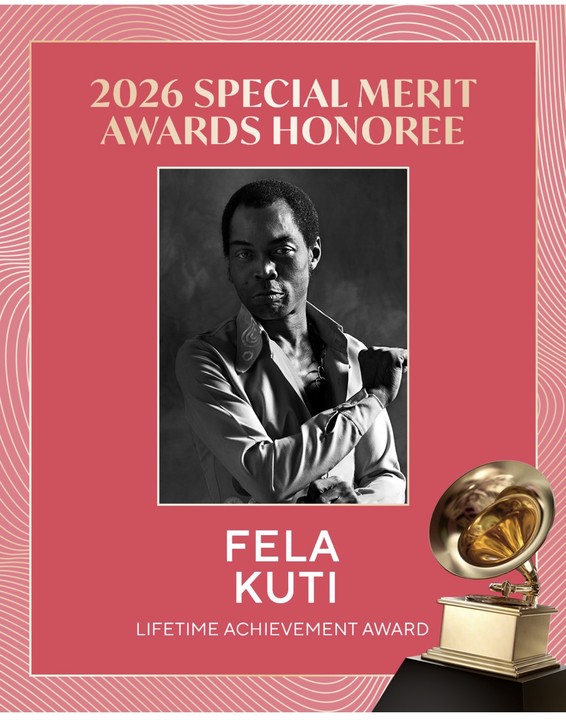
For many observers, the sight of both men recently embracing at a Lagos nightclub felt refreshing—an uncommon display of maturity in an industry often plagued by ego, rivalry and unresolved grudges. Unfortunately, that sense of relief was short-lived. Soon after, Seun Kuti found himself embroiled in yet another public confrontation, this time with fans of Grammy-winning superstar Wizkid. What began as a seemingly trivial issue surrounding Seun’s long-used nickname, “Big Bird,” escalated into a heated dispute over the legacy of Seun’s late father, the iconic Afrobeat pioneer and political activist, Fela Anikulapo-Kuti.
The situation deteriorated rapidly. Seun launched a prolonged series of Instagram Live sessions, spanning several days, during which he attacked Wizkid’s fanbase and repeatedly asserted Fela’s unmatched cultural, musical and political influence. Wizkid eventually responded in anger, declaring that he was “bigger than Fela” and questioning what Seun himself had achieved beyond being his father’s son. The exchange shocked many Nigerians, not only because of the stature of the individuals involved, but because it touched a deeply sensitive subject: the legacy of one of Africa’s most revered cultural icons.
From a public affairs and cultural standpoint, the controversy raises a fundamental issue about legacy and responsibility. Being the son of Fela Anikulapo-Kuti, by itself, does not constitute a personal legacy. While Seun inherited Egypt 80, his father’s legendary band, critics argue that he has yet to define a clear and enduring contribution that stands independently of his lineage. Fela’s life was marked by relentless artistic innovation and sustained political resistance against injustice and authoritarianism. By contrast, Seun’s public presence in recent years has been dominated more by social media confrontations than by landmark musical projects or enduring activist campaigns.
This pattern of controversy is not new. Over the years, Seun Kuti has been linked to several incidents that have raised questions about temperament and judgment. These include reported altercations with law enforcement, public insults directed at political leaders, and viral videos depicting aggressive behaviour. Politically, his attempt to revive Fela’s “Movement of the People” in 2020 failed to gain traction and has since faded into obscurity, leaving many to wonder what became of that ambition and the ideals it claimed to represent.
Seun’s frequent clashes with artists over the sampling of Fela’s music have also reinforced perceptions that he sees himself as the sole custodian of a legacy that arguably belongs to the world. This stance becomes even more striking when contrasted with the conduct of his elder brother, Femi Anikulapo-Kuti. While Seun accused Wizkid of hypocrisy for tattooing Fela’s image, Femi publicly defended the singer, describing him as respectful, humble and consistently supportive of Felabration. According to Femi, Wizkid has long demonstrated genuine admiration for Fela, both privately and publicly.
Indeed, Wizkid’s actions over the years suggest reverence rather than rivalry. His Fela tattoo, his participation in Felabration events, and his avoidance of explicit claims of superiority over the Afrobeat legend all point to admiration. It is therefore reasonable to interpret his “bigger than Fela” remark as an emotional outburst rather than a serious attempt to diminish Fela’s towering legacy. Still, as a global star with immense influence, Wizkid bears responsibility for the impact of his words. A timely clarification could have helped calm tensions and prevent further polarisation.
In this regard, many observers point to Davido as an example of a more responsive approach to public controversy. During the highly publicised paternity dispute involving Anu, Davido chose to address the issue directly, publicly stating that multiple paternity tests had returned negative results. Whether or not one accepts his claims, the willingness to respond openly helped shape public perception and prevented prolonged speculation. That said, calls for a fully independent and transparent resolution persist, underscoring the importance of accountability at the highest levels of fame.
Ultimately, icons like Fela Anikulapo-Kuti do not require defence through insults or online battles. Their legacies are self-evident and enduring. What contemporary artists—and those born into famous legacies—must grapple with is the challenge of building something meaningful in their own right. Fame amplifies influence, but it also magnifies responsibility. Legacy, in the final analysis, is not inherited. It is earned through consistent, purposeful action that outlives the noise of the moment.




Responses