Tinubu govt borrowed $6.45bn from W’Bank- Report


Under the leadership of President Bola Tinubu, the Federal Government has secured loans totaling $6.45 billion from the World Bank in just 16 months. This figure has risen following the recent approval of three additional loans worth $1.57 billion for various projects across Nigeria, with further increases anticipated in the coming months.
In total, the World Bank has approved approximately 36 loan requests from the Nigerian government, amounting to a substantial $24.088 billion over the past five years. These loans are intended to finance numerous development initiatives throughout the country, although concerns about Nigeria’s growing debt profile have sparked discussions regarding the sustainability of these financial commitments and their long-term economic impact.
Projects under Tinubu’s administration include loans for various sectors, such as $750 million for power initiatives, $500 million for women’s empowerment, $700 million for girls’ education, $750 million for renewable energy, and $1.5 billion for economic stabilization reforms. The persistent issues of infrastructure decay and rising unemployment have led many Nigerians to feel disheartened whenever government borrowing is mentioned, with some questioning the justification for past loans.
An analysis of documents from the World Bank’s website reveals that the institution has consistently approved loans for Nigeria since 2020. In 2020 alone, 15 loan requests totaling $6.36 billion were authorized, including funding for projects like the Nigeria Rural Access and Agricultural Marketing Project ($510 million) and the Nigeria Digital Identification for Development project ($430 million).
In 2021, the number of approved loans decreased to six, worth $3.2 billion, while in 2022, the government secured $1.26 billion for six projects, including a $500 million loan for livestock productivity and resilience support.
The trend shifted in 2023, with loan requests increasing to $2.7 billion to support four projects, such as a $750 million initiative for the power sector and a $500 million project for women’s programs. In 2024, the World Bank has already approved $3.82 billion for five projects, including a $70 million grant, bringing the total loan amount to $3.75 billion so far this year, with more funding expected before the year concludes.
The World Bank’s recent approvals target critical areas like economic reforms, resource mobilization, education for adolescent girls, and renewable energy development. On June 13, the bank announced a $2.25 billion package designed to enhance Nigeria’s economic stability and support vulnerable populations.
This package includes $1.5 billion for a program aimed at economic stabilization and $750 million for resource mobilization reforms. As of now, Nigeria has received $751.88 million of the approved $1.5 billion for the economic stabilization initiative.
Looking ahead, the World Bank is poised to approve another $500 million loan by December 16, 2024, for the Rural Access and Agricultural Marketing Project – Scale Up initiative. The bank emphasized that these funds will enhance human capital by improving health outcomes for women, children, and adolescents, as well as building resilience against climate-related challenges such as floods and droughts.
On September 26, 2024, the World Bank confirmed the approval of three new projects totaling $1.57 billion aimed at strengthening human capital and addressing climate change impacts through improved dam safety and irrigation.
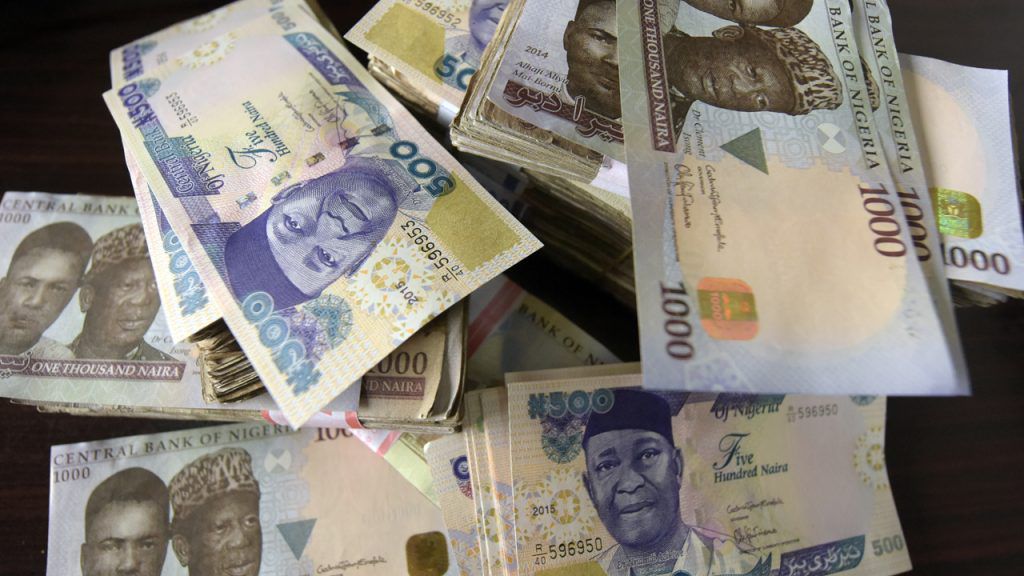
According to the Debt Management Office, Nigeria’s total debt to the World Bank stood at $15.59 billion as of March 31, 2024. Furthermore, debt servicing costs reached ₦6.04 trillion in the first half of 2024, a significant increase of 68.8% from ₦3.58 trillion during the same period in 2023. This surge in debt service obligations, driven by naira devaluation for foreign debt repayments, highlights the growing financial burden on the government, as debt repayments consume a considerable portion of its resources.



Responses