ADC Urges Tinubu to Withdraw 15% Fuel Import Duty, Warns of Worsening Economic Hardship


The African Democratic Congress (ADC) has called on President Bola Ahmed Tinubu to immediately withdraw the newly introduced 15 percent import duty on petrol and diesel, describing the move as “insensitive, economically reckless, and anti-people.”
In a strongly worded statement issued on Friday by its national spokesperson, Bolaji Abdullahi, the opposition party warned that the policy would deepen poverty, stifle small businesses, and push fuel prices beyond the reach of ordinary Nigerians already grappling with high inflation and stagnant wages.
President Tinubu’s administration recently approved a 15% ad valorem import duty on all imported petrol and diesel under what it described as a “market-responsive import tariff framework.” According to a presidential directive dated October 21, 2025, and addressed to the Federal Inland Revenue Service (FIRS) and the Nigerian Midstream and Downstream Petroleum Regulatory Authority (NMDPRA), the policy seeks to protect domestic refineries, particularly the Dangote Refinery and other emerging private-sector plants, while reducing reliance on fuel imports.
The directive, conveyed through Tinubu’s Private Secretary, Damilotun Aderemi, followed a proposal from FIRS Executive Chairman Zacch Adedeji. Government sources say the measure aligns with broader fiscal reforms aimed at cutting fuel import dependency and boosting non-oil revenue.
However, the ADC rejected this rationale, arguing that the government’s policies have consistently shown disregard for the plight of citizens.
“The African Democratic Congress is deeply concerned by President Bola Tinubu’s recent approval of a 15% import duty on petrol and diesel,” the statement read. “Coming at a time when Nigerians are already suffocating under the weight of the Renewed Hope Agenda, this fuel tax is both insensitive and misguided. It raises the question of whether the APC government ever considers the pain its policies continue to inflict on the people.”
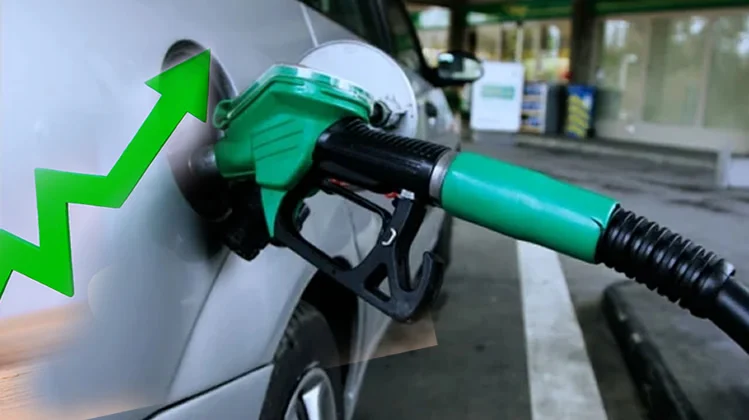
The party cited estimates from petroleum marketers predicting that the import duty could push the pump price of petrol above ₦1,000 per litre, exacerbating inflation and raising transportation and food costs nationwide.
The ADC also questioned the logic of imposing the duty when the Port Harcourt Refinery, a key component of the government’s domestic refining plan, reportedly collapsed just five months after a $1.5 billion rehabilitation project, resulting in losses of over ₦366 billion.
While acknowledging the need to promote local refining, the ADC argued that energy reforms must prioritize citizens’ welfare, not elite interests.
“If the goal is energy security, then there must first be transparency and investment in local capacity,” the statement added. “Until Nigeria’s refineries operate efficiently, taxing imports only punishes citizens while rewarding inefficiency and corruption.”
Economic and Political Reactions
The policy has triggered a sharp divide among Nigerians, including economists, industry players, and political observers.
Supporters of the administration argue that the import duty is a necessary step toward achieving long-term energy independence. They believe that discouraging fuel imports will attract investors to build and expand local refineries, create jobs, and reduce capital flight.
A commenter on social media, @emkz, wrote: “By imposing 15%, it makes imports expensive and encourages local production. This is how to build real capacity instead of using forex to fund a bloated import regime.”
Others, however, accused the government of pursuing policies that serve business magnates rather than ordinary citizens. @blackgold2018 argued that the tariff would merely enrich big players while ordinary Nigerians bear the brunt. “Tinubu is looking for more money. The decision is not for your benefit,” he wrote.
Political analysts believe the measure could fuel renewed public frustration, especially given the painful aftermath of fuel subsidy removal in 2023 and the rapid depreciation of the naira. Despite government promises that these reforms would stabilize the economy, inflation has surged to multi-decade highs, with food prices and transport fares rising beyond the reach of many households.
ADC’s Call for Policy Reversal
Reiterating its position, the ADC said any government truly committed to economic reform must balance fiscal discipline with social protection.
“A government that cannot run its own refineries has no moral right to tax those who keep the country running through their sweat and toil,” the statement declared. “If the government persists with this latest tax measure, it will only deepen the people’s suffering. Nigerians deserve a government that plans, not one that panics.”
The ADC demanded the immediate withdrawal of the 15% import duty, warning that continued implementation could spark social unrest.
“If this policy is not reversed,” the party concluded, “the hardship it causes may become too unbearable for millions of Nigerians already pushed to the wall.”
As of Saturday, the Presidency and the FIRS had yet to issue any formal response to the ADC’s statement. But government insiders suggest the administration remains committed to the duty, seeing it as a cornerstone of its energy reform and fiscal consolidation agenda.




Responses