Power Play in Guinea-Bissau: Embaló’s Allies Tighten Their Grip Amid Alleged “Ceremonial Coup”

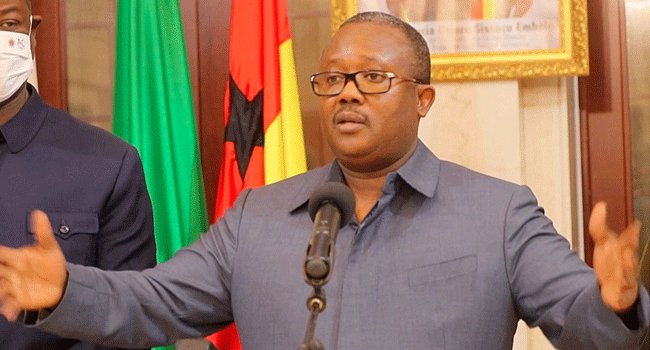
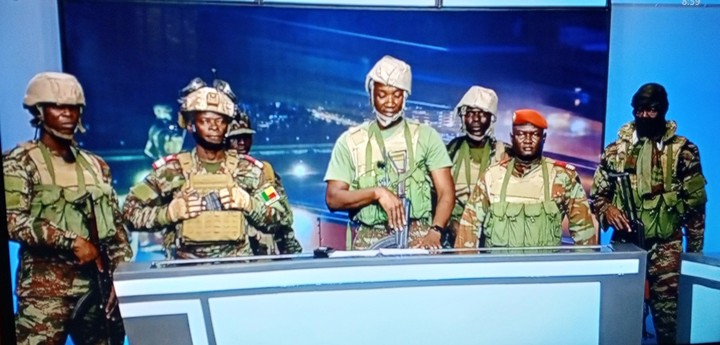
Reports emerging from Guinea-Bissau have sparked intense regional debate, as developments following President Umaro Sissoco Embaló’s removal from office appear to show that his closest allies continue to control the country’s most powerful political and security structures. What many observers have termed a “ceremonial coup” has raised questions about whether Embaló was genuinely ousted, or whether the political turmoil is part of a broader strategy to retain influence despite an electoral setback.
According to multiple accounts, President Embaló has reportedly taken refuge in Senegal amid the unfolding crisis. However, instead of a complete dismantling of his administration, several of his key loyalists remain firmly positioned in top government roles—an unusual scenario in a region where coups typically lead to sweeping purges of the former leader’s network.
A central figure in this unfolding drama is Illidio Vieira Té, Embaló’s former campaign director. Despite the political chaos, Té has emerged not only as the new Prime Minister but also retains his position as Finance Minister. His dual role places him at the heart of Guinea-Bissau’s economic and administrative machinery, ensuring that Embaló’s political ideology and networks still exert substantial influence.
Another prominent ally, Diniz N’Tchama, who previously served as Embaló’s military aide, now functions as the official government spokesperson. This position grants him significant control over state messaging and public narratives, a key strategic advantage in a politically tense environment where information can shape legitimacy.
Perhaps most notable is the rise of General Horta Inta-a—another known ally of Embaló—to the position of interim President. His ascension to the highest office has fueled claims from critics that the transition of power is little more than a strategic rearrangement rather than a genuine change in leadership. With the military traditionally playing a decisive role in Guinea-Bissau’s politics, the presence of Embaló-aligned officers at the top of the command structure further strengthens the argument that the coup may have been orchestrated to preserve the outgoing leader’s influence.
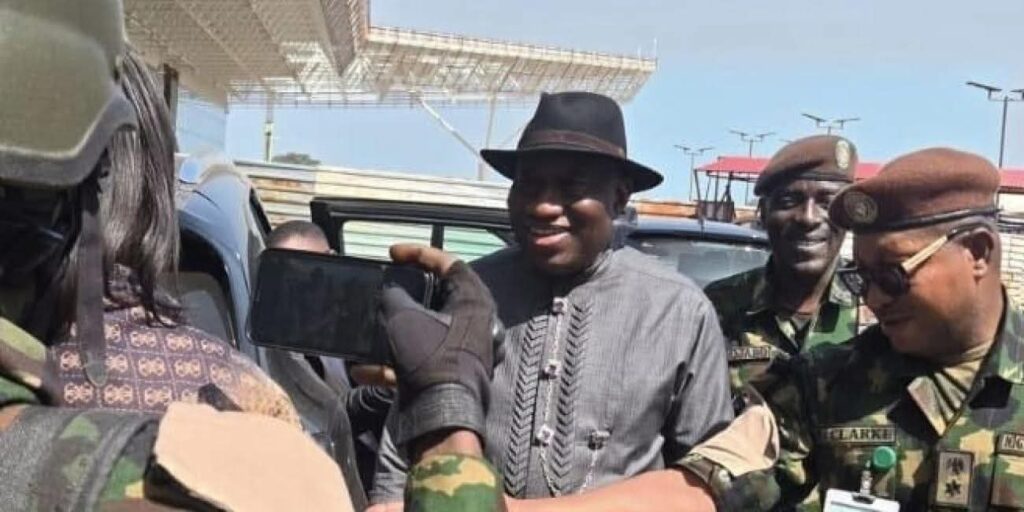
The opposition in Guinea-Bissau has denounced the situation as a staged or fabricated coup, suggesting that Embaló and his loyalists may be attempting to manipulate the political landscape following an electoral loss. This sentiment has been echoed by notable regional figures, including Nigeria’s former President Goodluck Jonathan—who participated as an observer during the elections—and Senegal’s Prime Minister Ousmane Sonko. Both have characterized the events as highly suspicious and inconsistent with conventional coup patterns.
Across social media and public forums, reactions have been swift and intense. Many commenters argue that the move reflects the broader African struggle with democratic consolidation, where elections are often overshadowed by military involvement, entrenched political interests, and leaders unwilling to relinquish power. Others see the situation as a dangerous precedent, warning that such tactics—if replicated elsewhere—could undermine democracy across West Africa.
For Guinea-Bissau, a nation with a long and troubled history of political instability, these developments present yet another uncertain chapter. Whether the current arrangement represents a temporary compromise, a subtle political manoeuvre, or a masked power retention strategy remains to be seen. However, what is clear is that the country’s political trajectory is once again capturing regional attention—and prompting serious questions about the state of democracy in West Africa.



Responses