Tinubu Dispatches High-Level Delegation to UK Over Senator Ike Ekweremadu’s Imprisonment

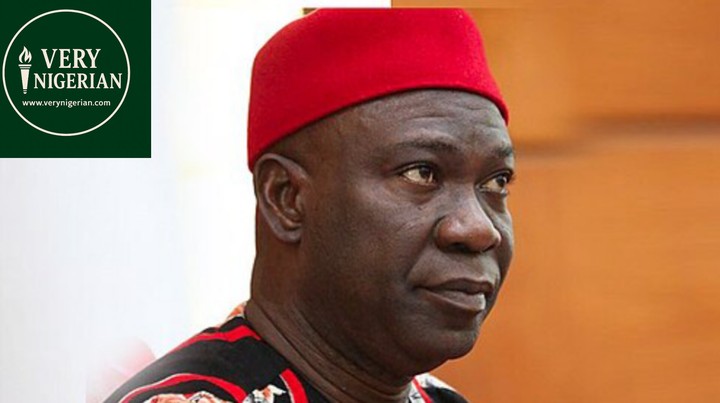
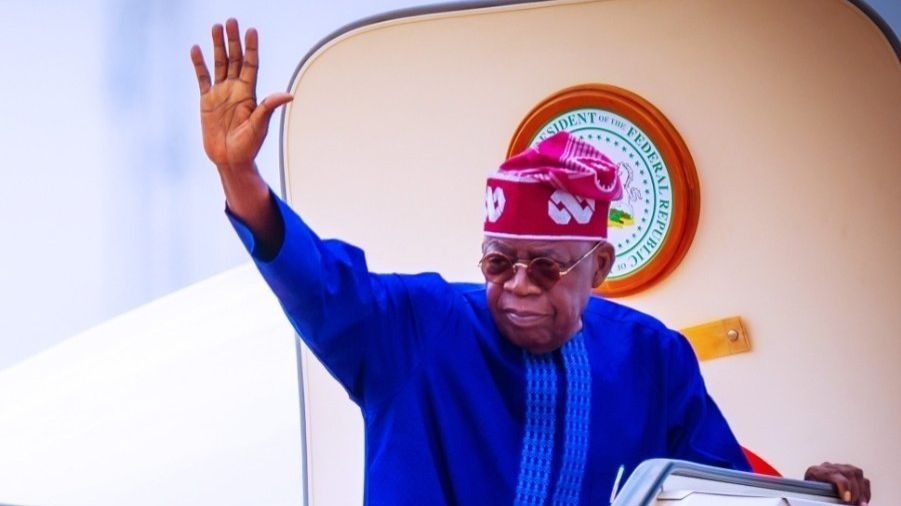
President Bola Ahmed Tinubu has reportedly taken a decisive diplomatic step by sending a high-powered Nigerian delegation to the United Kingdom to engage British authorities on the continued detention of former Deputy Senate President, Senator Ike Ekweremadu. The visit marks one of the most direct governmental interventions since the senator’s conviction under the UK’s Modern Slavery Act in 2023.
According to Very Nigerian, the delegation — led by Minister of Foreign Affairs, Yusuf Maitama Tuggar, and Attorney General of the Federation and Minister of Justice, Lateef Olasunkanmi Fagbemi — held talks with top officials at the UK Ministry of Justice in London. The discussions centered on the legal and humanitarian dimensions of Ekweremadu’s case, which has continued to stir public and diplomatic interest.
Following the meeting, the delegation was received by Ambassador Mohammed Maidugu, Nigeria’s Acting High Commissioner to the UK. Though details of the talks remain confidential, sources suggest the Nigerian team emphasized the need for leniency and potential review of Ekweremadu’s situation on compassionate grounds, especially considering his age and deteriorating health.
Ekweremadu, his wife Beatrice, and medical practitioner Dr. Obinna Obeta were convicted in March 2023 for conspiring to bring a 21-year-old Nigerian man to the UK for the purpose of harvesting his kidney. The court ruled that the victim was exploited, sentencing Ekweremadu to nine years and eight months in prison — the first high-profile conviction of its kind under the UK’s Modern Slavery Act. The verdict sent shockwaves across Nigeria and the global political community, serving as a stern reminder that influence and status hold no sway in matters of justice.
Reactions to Tinubu’s latest diplomatic move have been deeply divided. Some Nigerians see the intervention as an act of compassion and statesmanship. “He has suffered enough,” one commenter wrote, reflecting a widespread sentiment among supporters who believe Ekweremadu has paid his dues. Others argue that the rule of law must prevail regardless of the offender’s political stature. “Anyone who breaks the law must face the consequences,” another respondent stated bluntly.
Critics of the move accuse the Tinubu administration of prioritizing political solidarity over governance. “Tinubu is blocking every opening for 2027 victory,” wrote one user, lamenting what they see as misplaced political focus while the country grapples with inflation, insecurity, and economic stagnation. Another described the effort as “a waste of public funds,” suggesting that Nigeria should respect the sovereignty of the British judicial process instead of lobbying for special treatment.
Political analysts, however, view the move as part of a broader recalibration of Nigeria’s foreign relations. “This is as much about diplomatic signaling as it is about humanitarian intervention,” said a senior analyst familiar with the matter. “It allows the Tinubu government to project an image of engagement and responsiveness, even if the outcome remains largely symbolic.”
Ekweremadu’s imprisonment continues to resonate in Nigerian political discourse, raising difficult questions about power, morality, and accountability. While some call for clemency, others argue that justice must take its full course. Whether or not Tinubu’s diplomatic outreach will alter the senator’s fate remains uncertain, but one thing is clear: the case has become a defining test of Nigeria’s approach to balancing diplomacy, justice, and national image on the global stage.



Responses