Tinubu Praises Nigerian Armed Forces for Swift Role in Safeguarding Democracy in Benin Republic

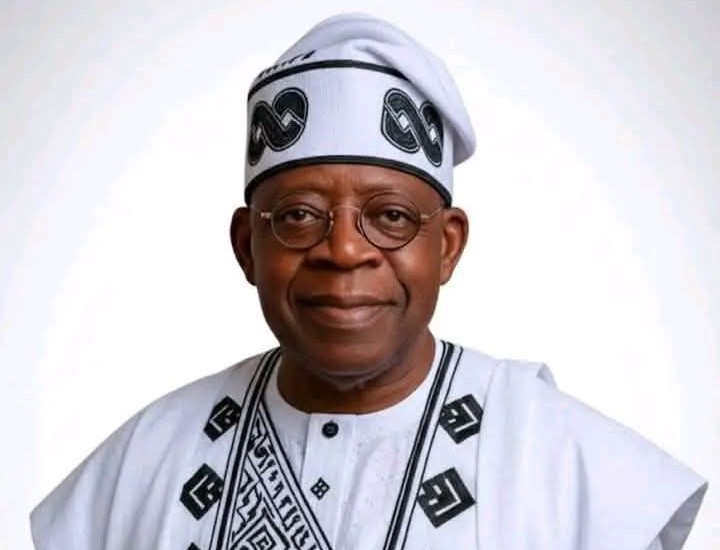
President Bola Ahmed Tinubu has applauded the Nigerian Armed Forces for what he described as a decisive and gallant intervention in the Republic of Benin following an attempted coup that briefly threatened the country’s 35-year democratic system. The President issued the commendation on Sunday after Nigerian military units, acting on formal requests from Benin’s government, assisted in restoring constitutional order.
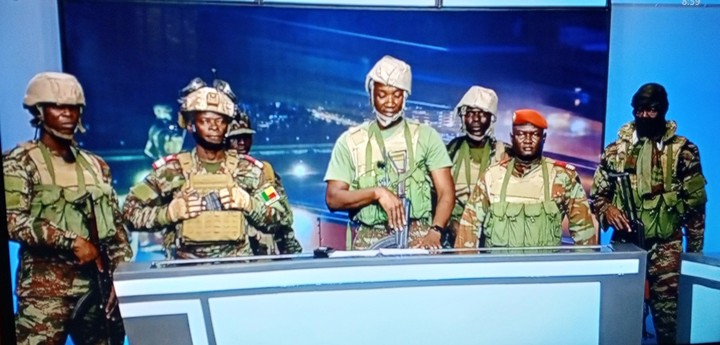
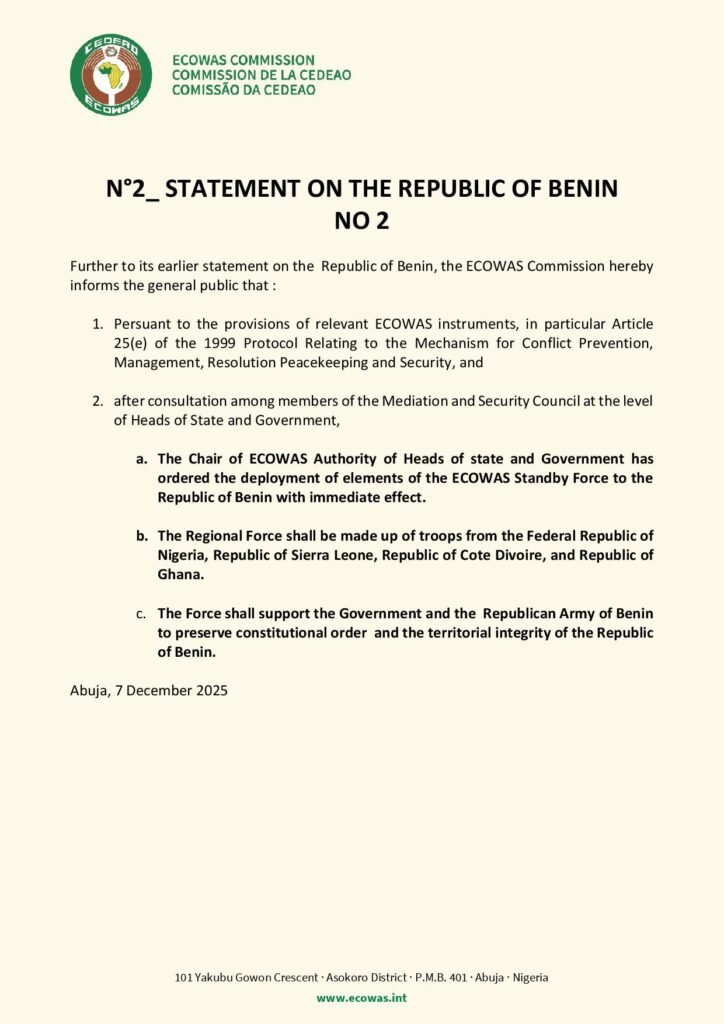
According to official communications released through the Presidency, the Government of Benin Republic reached out to Nigeria twice in rapid succession after soldiers led by Colonel Pascal Tigri seized the national television station at dawn, announced the removal of President Patrice Talon, and declared the suspension of democratic institutions. In response, President Tinubu—who also serves as the current Chairman of ECOWAS—authorized immediate military assistance in line with regional security protocols.
The first request from Cotonou sought urgent air support. Through a Note Verbal from its Ministry of Foreign Affairs, Benin Republic asked Nigeria to deploy fighter jets to secure its airspace, neutralize the threat posed by the coup faction, and protect critical national institutions. Within hours, Nigerian Air Force aircraft had entered Benin’s airspace under a coordinated regional security arrangement, helping to dislodge the mutineers who had regrouped around the national broadcaster and a military camp.
In a separate communication, Benin’s authorities requested the deployment of Nigerian aerial assets for surveillance, rapid intervention, and stabilization operations. They also asked for Nigerian ground troops—strictly to be used under the directives of Beninese military command—to reinforce loyal forces and ensure the safety of key government structures.
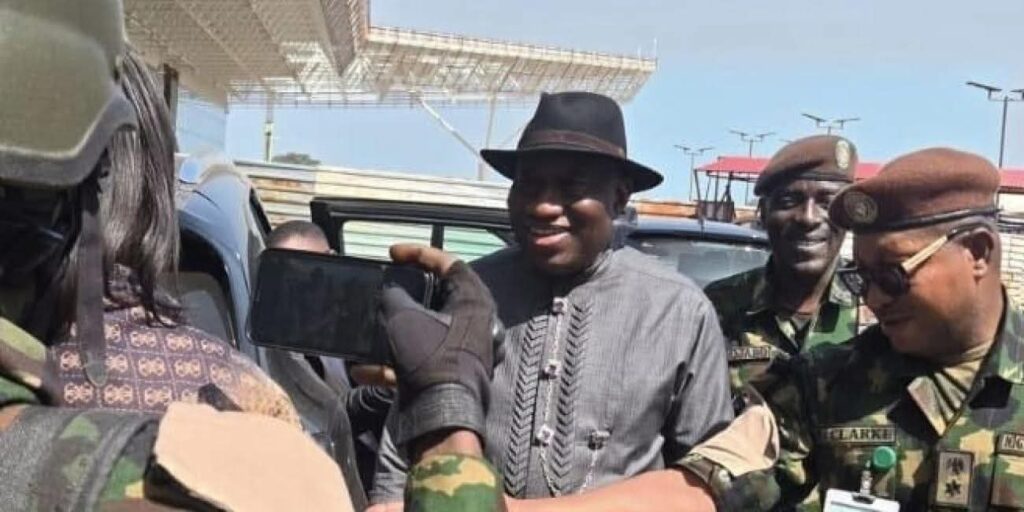
Nigeria’s Chief of Defence Staff, General Olufemi Oluyede, confirmed that all assistance requested by Benin had been executed promptly. He stated that Nigerian ground forces were already working alongside Beninese troops to secure the capital and reaffirm democratic governance.
“Our responsibility is to carry out the directives of the Commander-in-Chief,” General Oluyede said. “We responded immediately in solidarity with a democratic neighbour and in accordance with regional security laws.”
By late afternoon, loyalist forces, backed by Nigerian support, regained control of the national television station and flushed out the coup plotters, effectively ending the rebellion. No major civilian casualties were reported, and President Talon’s government resumed full operational authority.
Following the restoration of order, President Tinubu issued a public statement praising Nigeria’s military for defending democracy and upholding ECOWAS principles. He emphasized that Nigeria acted strictly within the bounds of international law and regional agreements designed to prevent unconstitutional changes of government.
“Today, the Nigerian Armed Forces stood gallantly as defenders of constitutional order in the Republic of Benin, acting on the explicit invitation of its government,” the President said. “Our troops operated within the ECOWAS Protocol on Democracy and Good Governance. They helped stabilize a neighbouring nation and demonstrated once again their unwavering commitment to democratic ideals. Nigeria stands firmly with the government and people of Benin Republic.”
Tinubu underscored the broader importance of regional stability, noting that democratic backsliding anywhere in West Africa poses risks to the entire sub-region. The attempted coup in Benin is the latest in a pattern of military interventions that have destabilized parts of West and Central Africa over the past five years. ECOWAS, under Tinubu’s leadership, has insisted on zero tolerance for unconstitutional power grabs.
The President’s Special Adviser on Information and Strategy, Bayo Onanuga, also reaffirmed that the intervention was carried out transparently and with the full consent of Benin’s legal authorities. He noted that Nigeria’s actions reflected the country’s longstanding commitment to defending democracy both within its borders and across the region.
As Benin returns to normalcy, questions remain about the motivations behind the coup attempt and the wider implications for regional democratic security. However, for now, the swift response from Nigeria and the eventual success of loyalist forces has reaffirmed, at least temporarily, the resilience of constitutional governance in one of West Africa’s more stable democracies.



Responses